 Listicle
How to Choose Personalized Family Keepsakes That Last
Quick Summary
Personalized family keepsakes turn a gift into a lasting story, because names, dates, and family details make the recipient feel that someone thought specifically about them. They anchor shared memories in daily life, but only if the item is chosen with the household and its storage in mind.
- Pick a keepsake that connects to a real memory or relationship.
- Choose materials that suit where the item will live, such as avoiding bathrooms for wood.
- Keep framed prints out of direct sunlight to prevent fading.
- Store paper keepsakes flat in acid-free boxes, not cardboard or plastic bins.
- Build keepsakes into a routine, like unpacking an ornament yearly, so they get used.
Table of Contents
- Why Personalized Family Keepsakes Matter More Than Generic Gifts
- Strengthening Family Bonds Through Tangible Keepsakes
- Personalized Family Keepsake Ideas for Every Kind of Family
- Meaningful Personalized Gifts for Parents and Grandparents
- Using Family Memory Book Questions to Preserve Your Family Story
- Personalized Christmas Gifts for Families and How to Start Planning Yours
- Frequently Asked Questions
How to Choose Personalized Family Keepsakes That Last
Last Updated: November 20, 2026
Why Personalized Family Keepsakes Matter More Than Generic Gifts
Personalized family keepsakes are items made or customized with names, dates, handwriting, or family details, and they tend to outlast the gift-giving moment. This guide from Elisa Allender walks through how to choose personalized family keepsakes that last, from the psychology behind them to the practical details that decide whether they hold up.
A generic gift is easy to forget. A personalized one carries a story. That difference matters most when the gift is meant to mark a milestone, a holiday, or a bond between generations.
The psychology of meaningful gifts and attachment
People tend to hold on to objects that represent a person, a place, or a shared moment. A personalized keepsake works the same way. The recipient sees their own name or a family detail and understands that someone thought specifically about them.
Pick something that connects to a real memory or relationship, and the attachment follows naturally. Ask yourself what the recipient would still want to see on their shelf in ten years.
Keepsakes as tangible anchors for shared experiences
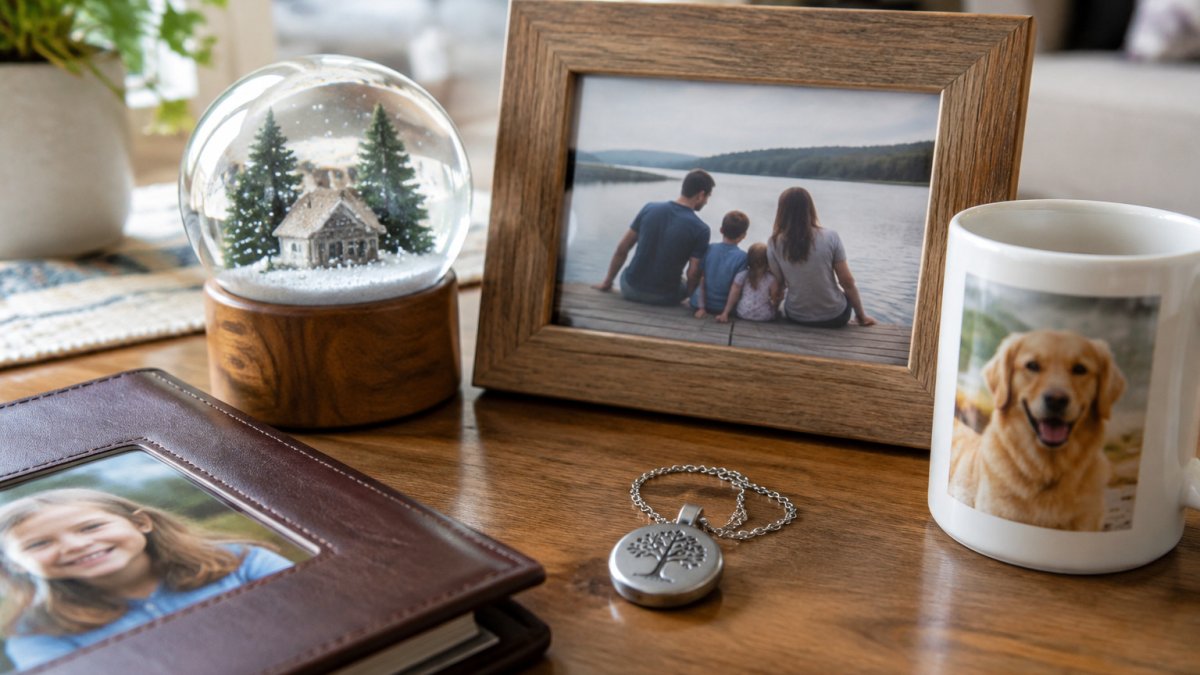
A keepsake gives a shared experience something physical to hold onto. A wooden box with a family surname, a framed birth announcement, or a mug with a child's handwriting can all anchor a memory in daily life.
Choose items the family will actually use or display. A keepsake stored in a drawer does little for the bond it was meant to strengthen.
Strengthening Family Bonds Through Tangible Keepsakes
A tangible keepsake gives families something to return to, talk about, and pass along. But the bond only holds if the object survives long enough to do its job. The practical rule is simple: choose the keepsake and the storage plan together, before you buy.
Match the material to the household
Wood, metal, glass, fabric, and paper each age differently, and the right choice depends on where the item will live. An engraved wooden box tolerates a shelf or a dresser but not a steamy bathroom. A framed print belongs out of direct sunlight, because UV exposure fades inks and yellows paper faster than most people expect. A ceramic ornament survives decades in a climate-controlled room but not in a garage that swings between freezing and hot. If the recipient has young children or pets, choose a closed box or a wall-mounted piece over anything with small removable parts.
Care routines that actually get followed
Preservation advice fails when it is complicated. Keep it to three habits. First, dust with a dry microfiber cloth rather than a wet rag, since moisture drives mold on wood and paper. Second, store paper-based keepsakes, such as memory books and letters, flat in an acid-free box away from basements and attics, where humidity fluctuates most. Third, handle metal and engraved items with clean hands and keep them away from household cleaners, which can strip a finish. For textiles, such as a quilt or a baby blanket, fold with acid-free tissue and refold once a year so creases do not set.
Make the keepsake part of a routine
A keepsake stored in a drawer does little for the bond it was meant to strengthen. The families who get the most from these objects build them into a ritual: a holiday ornament unpacked on the same weekend each year, a memory book opened at a birthday dinner, or a framed photo updated every January. The routine is what turns an object into a shared experience, and the care habits above are what keep the routine possible for decades.
When to repair rather than replace
A loose hinge on a wooden box, a faded print, or a tarnished engraving is usually fixable. A local framer, jeweler, or furniture restorer may be able to help with these kinds of repairs. Repair preserves the object's history, which is the point of a keepsake; replacement resets the clock. For heirloom-quality pieces, ask the maker at the time of purchase whether they offer repairs.
Watch out: storing paper keepsakes in a standard cardboard box or a plastic bin in a garage is one of the most common ways families lose them, because cardboard is acidic and plastic traps moisture. Acid-free archival boxes and a climate-controlled closet are a safer choice.
The article's care advice comes down to a few specific material, storage, and maintenance details that affect how long a keepsake lasts.
| Item | Recommended care | Reason |
|---|---|---|
| Wooden box | Dust with dry microfiber cloth | Moisture drives mold on wood |
| Paper memory books | Store flat in acid-free box | Cardboard is acidic; humidity fluctuates in basements and attics |
| Metal and engraved items | Handle with clean hands; avoid household cleaners | Cleaners can strip the finish |
| Textiles (quilts, blankets) | Fold with acid-free tissue; refold yearly | Prevents creases from setting |
| Framed prints | Keep out of direct sunlight | UV exposure fades inks and yellows paper |
| Ceramic ornaments | Keep in climate-controlled room | Garages swing between freezing and hot |
Personalized Family Keepsake Ideas for Every Kind of Family
Personalized family keepsakes come in many forms, and the best choice depends on who is receiving it. Wooden keepsake boxes with engraved names suit families who want something sturdy and natural. Custom prints and framed family details work well for walls and hallways. Ornaments with a family name and year become a yearly tradition.
Consider the household before you choose. A large family may prefer a shared item, such as a family tree print, while a new couple might appreciate a single custom piece they can start building on together.
Meaningful Personalized Gifts for Parents and Grandparents
Parents and grandparents often value keepsakes that show their children's or grandchildren's handwriting, photos, or milestones.
Think about how the item will be used. Something that sits on a dresser needs a different design than something hung in a kitchen. Choose a keepsake that fits where it will actually live.
Using Family Memory Book Questions to Preserve Your Family Story
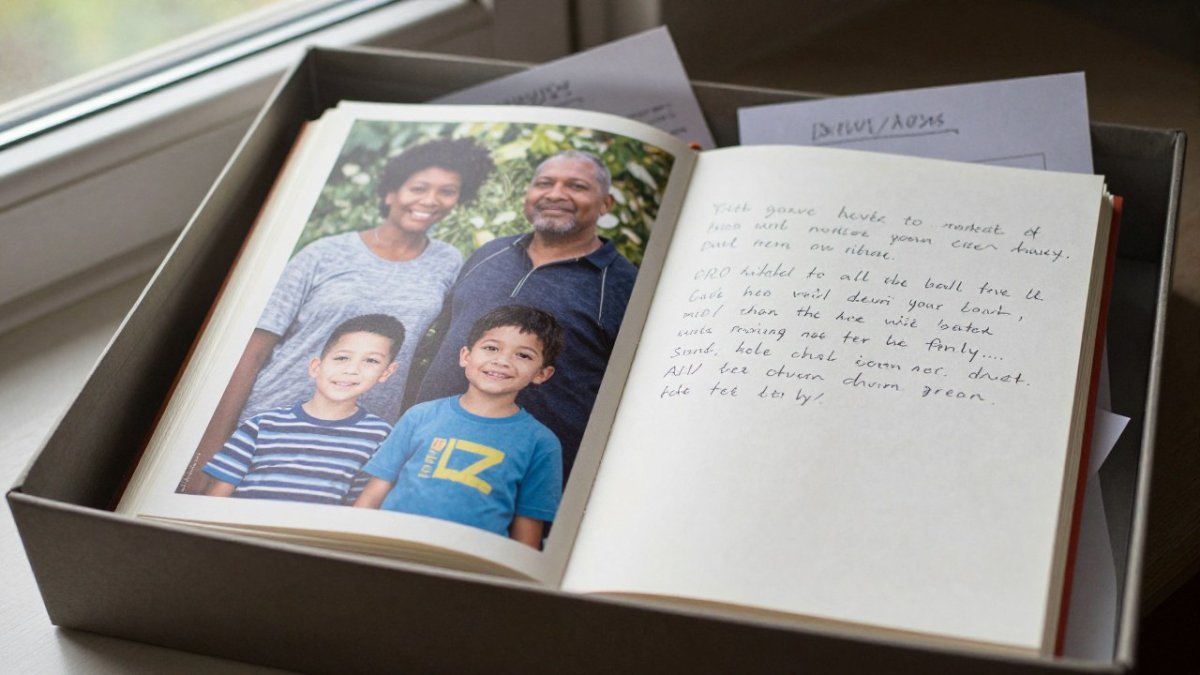
A family memory book is a keepsake that records stories rather than only displaying them. Pairing it with a set of questions helps relatives share memories they might never write down on their own.
Start with simple prompts: where grandparents grew up, the first job someone held, or a favorite family recipe. Ask one or two questions at a time over a meal or during a visit. The answers become a lasting record that future generations can read.
Personalized Christmas Gifts for Families and How to Start Planning Yours
Christmas is a natural time for personalized family keepsakes. Starting early leaves room to check details before the holidays arrive.
Start by listing the people you want to include, then match each one with a keepsake that suits their interests. Set a budget per person and keep a simple record of what you ordered so the next year's planning gets easier.
Choosing a keepsake that lasts comes down to matching the item to a real relationship, a real memory, and a real place in the home. Browse the shop at Elisa Allender to find personalized keepsakes for your family, and take your time picking the one that fits.
Frequently Asked Questions
Why is personalization so important in a family keepsake?
Personalization turns a generic object into one that only makes sense for your family. A name, a date, a handwritten phrase, or a detail tied to a shared memory tells the recipient that you thought about them specifically. That specificity is what gives a keepsake emotional weight over the years, because it carries a story that no mass-produced item can. When you choose a personalized piece, you are not just giving something to hold; you are giving a reminder of who your family is.
What are the benefits of personalized family keepsakes?
Personalized family keepsakes offer several benefits. They act as tangible anchors for shared experiences, which helps family members feel connected even when they live far apart. They can preserve family history for younger generations, and they make special occasions feel more memorable. Keepsakes also reward thoughtfulness: the recipient sees the effort in the details. Caring for a keepsake, such as keeping it dust-free, storing it away from direct sun, and handling it gently, helps it last for decades.
How do you choose a personalized gift for a family?
Start with the recipient and the story you want the gift to tell. A grandparent may value a photo or heirloom-style piece tied to family history, while young children often respond to a name or birth detail on a simple item. Consider how the keepsake will be used and where it will live. Think about durability and care instructions too. Finally, plan a little ahead, especially for holiday orders.